Korean Bibimbap
Highlighted under: Global Inspiration
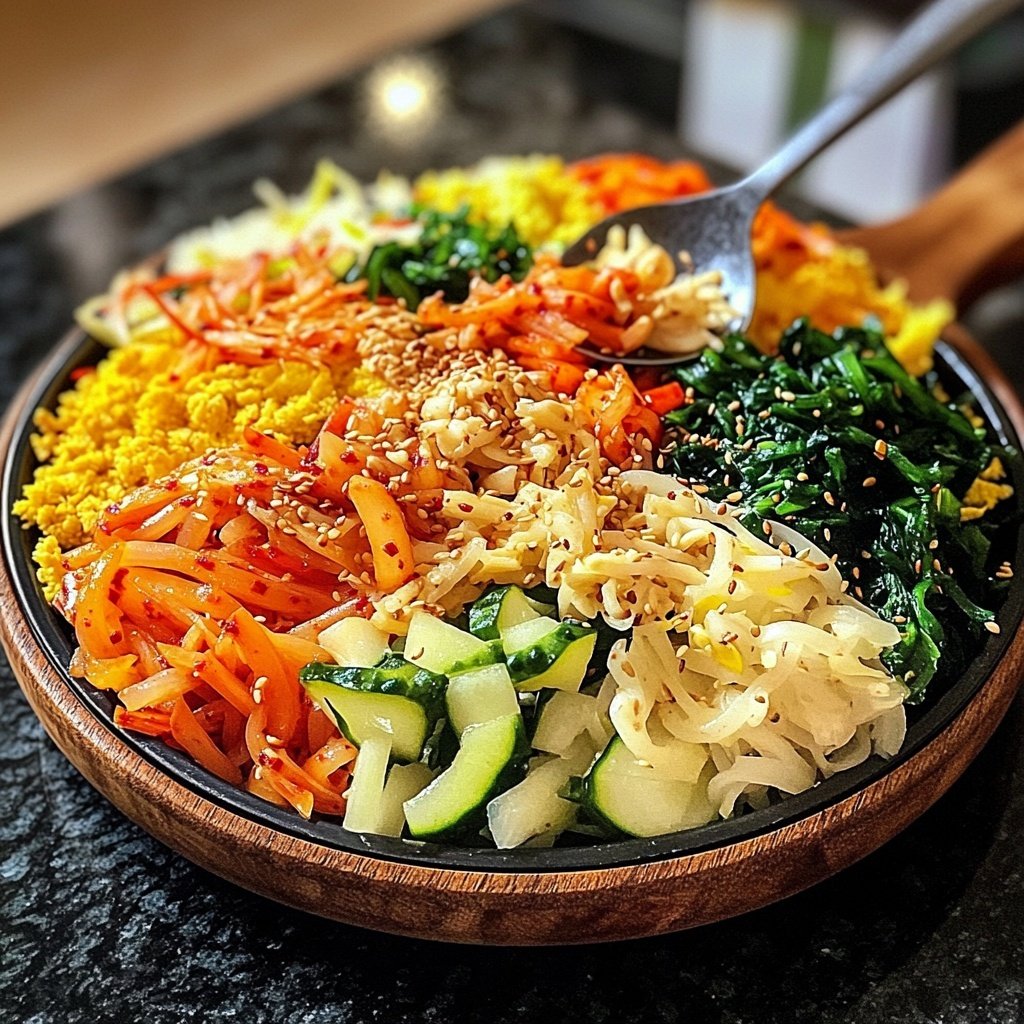
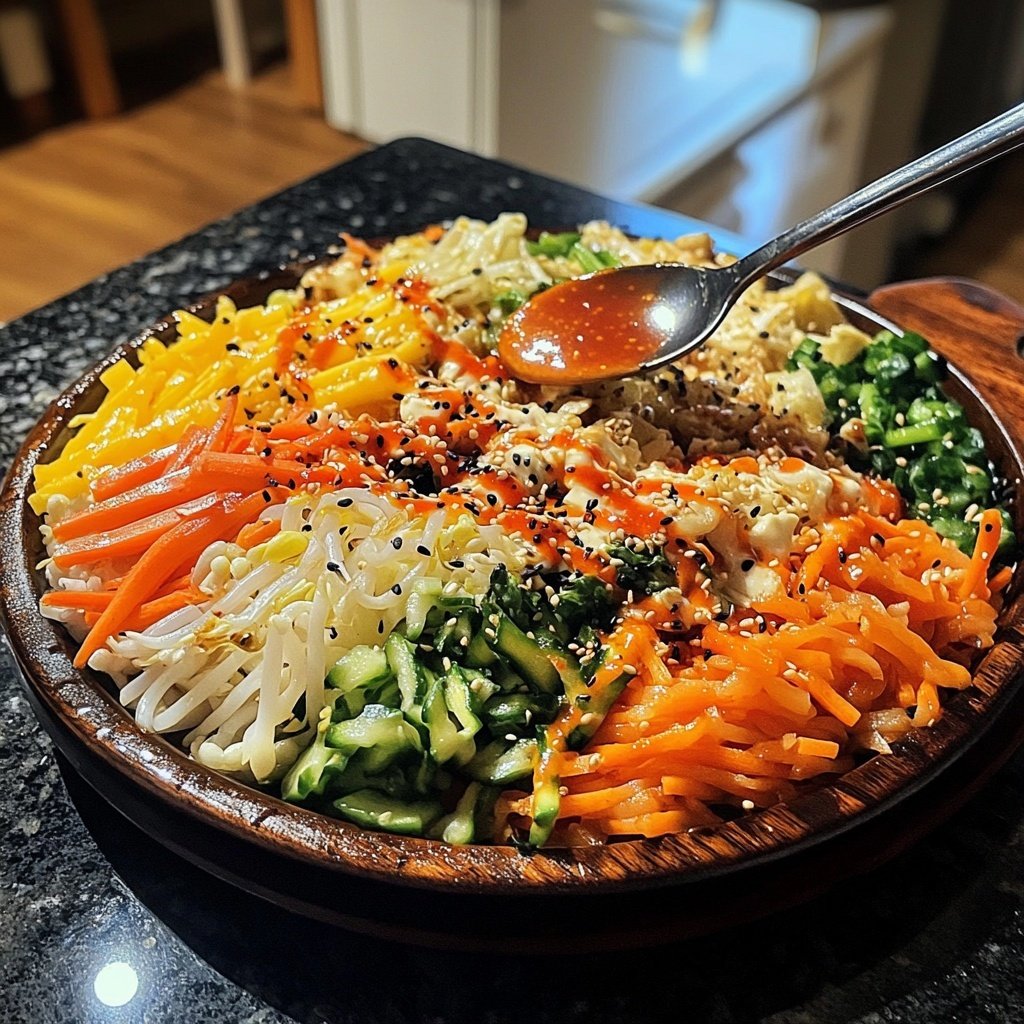
Experience the vibrant flavors and textures of traditional Korean Bibimbap, a delightful mixed rice dish that brings together a variety of fresh vegetables, beef, and a fried egg, all topped with spicy gochujang sauce.
Korean Bibimbap is not just a meal; it's a culinary experience that showcases the beauty of Korean cuisine. The name bibimbap literally means 'mixed rice,' and it's a perfect representation of balance and harmony in flavors and colors.
Why You Will Love This Recipe
- A colorful and nutritious meal packed with fresh vegetables
- Customizable ingredients to suit your taste preferences
- Deliciously spicy and savory with the gochujang sauce
The Essence of Bibimbap
Bibimbap is a quintessential Korean dish that reflects the country's culinary philosophy of balance and harmony. The word 'bibimbap' translates to 'mixed rice,' which perfectly describes this vibrant meal. Each ingredient contributes its own unique flavor and texture, making every bite an exciting experience. The combination of warm rice, savory beef, and fresh vegetables creates a delightful medley that is both satisfying and nutritious.
Traditionally, bibimbap is served in a hot stone bowl, which keeps the rice warm and allows it to develop a crispy bottom layer known as 'nurungji.' This added texture elevates the dish, creating a contrast between the soft ingredients and the crunchy rice. Whether enjoyed at home or in a restaurant, bibimbap is an invitation to savor the rich flavors of Korean cuisine.
Customizing Your Bibimbap
One of the most appealing aspects of bibimbap is its versatility. You can customize it to fit your dietary preferences or use what you have on hand. Feel free to swap out the beef for chicken, tofu, or even a mix of seafood for a delightful twist. Similarly, the vegetables can be adjusted to include seasonal selections or your personal favorites, such as bell peppers, radishes, or even avocado for a creamy texture.
The level of spiciness can also be tailored to suit your taste. While gochujang is a staple ingredient, you can adjust the amount to make your bibimbap as mild or spicy as you like. For those who enjoy a bit of heat, adding a sprinkle of Korean red pepper flakes or a drizzle of chili oil can enhance the flavor profile beautifully.
Serving Suggestions
Bibimbap is not only a meal but also a culinary experience. For a complete dining experience, consider serving it with traditional Korean side dishes known as 'banchan.' These small plates, which may include kimchi, pickled vegetables, or seasoned seaweed, complement the main dish and add depth to your meal. They provide a variety of flavors that harmonize with the bibimbap and can make your dinner feel more authentic.
For an impressive presentation, serve bibimbap in individual bowls, allowing each guest to mix their dish according to their preferences. This not only makes for an interactive dining experience but also showcases the beautiful colors of the ingredients, making the meal visually appealing and inviting.
Ingredients
Gather the following ingredients before you start cooking:
Bibimbap Ingredients
- 2 cups cooked white rice
- 1 cup spinach, blanched
- 1 carrot, julienned
- 1 zucchini, julienned
- 1 cup bean sprouts, blanched
- 1 cup shiitake mushrooms, sliced
- 200g beef, sliced thinly
- 4 eggs
- 2 tablespoons sesame oil
- Gochujang (Korean chili paste) to taste
- Sesame seeds for garnish
- Salt and pepper to taste
Ensure all ingredients are prepped and ready for a smooth cooking experience.
Instructions
Follow these steps to create your delicious bibimbap:
Prepare the Beef
In a pan, heat 1 tablespoon of sesame oil over medium heat. Add the sliced beef and cook until browned. Season with salt and pepper. Remove from heat and set aside.
Sauté the Vegetables
In the same pan, add the remaining sesame oil. Sauté the shiitake mushrooms, carrots, and zucchini separately until tender. Blanch the spinach and bean sprouts if not already done. Set aside each cooked vegetable.
Fry the Eggs
In a separate pan, fry the eggs sunny-side up until the whites are set but the yolks remain runny.
Assemble the Bibimbap
In a large bowl, place a serving of cooked rice at the bottom. Arrange the sautéed vegetables, beef, and a fried egg on top. Drizzle with gochujang and sprinkle with sesame seeds before serving.
Mix everything together just before eating to enjoy the full flavor of bibimbap.
Pro Tips
- Feel free to customize your bibimbap with other vegetables like radish or cucumber, or substitute the beef with tofu for a vegetarian option.
Storage and Reheating
If you have leftovers, bibimbap can be easily stored in the refrigerator for up to three days. To maintain the integrity of the ingredients, it's best to keep the components separate until you're ready to enjoy them again. Store the rice, vegetables, and protein in airtight containers to preserve freshness.
When reheating, you can microwave the ingredients until warm, but be cautious not to overcook the vegetables. For a delightful twist, consider reheating your bibimbap in a hot pan to recreate that crispy texture at the bottom. Adding a touch of water and covering the pan can help steam the ingredients gently, ensuring they remain tender.
Nutritional Benefits
Bibimbap is a well-balanced meal that offers a variety of nutrients. The combination of fresh vegetables provides vitamins, minerals, and dietary fiber, making it a wholesome choice. The inclusion of protein from the beef or alternative proteins helps to keep you satiated, while the healthy fats from the sesame oil enhance flavor and nutrition.
Additionally, bibimbap is adaptable to fit various dietary needs. By using brown rice or quinoa instead of white rice, you can boost the fiber content and add a nutty flavor. This dish is not only delicious but also supports a healthy lifestyle, making it an excellent option for a nutritious lunch or dinner.
Questions About Recipes
→ Can I make bibimbap vegetarian?
Yes! Simply replace the beef with tofu and use vegetable broth for extra flavor.
→ What if I can't find gochujang?
You can substitute it with sriracha or another spicy sauce, but the flavor will be different.
→ How can I store leftovers?
Store leftovers in an airtight container in the refrigerator for up to 3 days. Reheat before serving.
→ Can I use brown rice instead?
Absolutely! Brown rice will add a nuttier flavor and more fiber to your bibimbap.
Korean Bibimbap
Created by: Tamsyn Calder
Recipe Type: Global Inspiration
Skill Level: Intermediate
Final Quantity: 4 servings
What You'll Need
Bibimbap Ingredients
- 2 cups cooked white rice
- 1 cup spinach, blanched
- 1 carrot, julienned
- 1 zucchini, julienned
- 1 cup bean sprouts, blanched
- 1 cup shiitake mushrooms, sliced
- 200g beef, sliced thinly
- 4 eggs
- 2 tablespoons sesame oil
- Gochujang (Korean chili paste) to taste
- Sesame seeds for garnish
- Salt and pepper to taste
How-To Steps
In a pan, heat 1 tablespoon of sesame oil over medium heat. Add the sliced beef and cook until browned. Season with salt and pepper. Remove from heat and set aside.
In the same pan, add the remaining sesame oil. Sauté the shiitake mushrooms, carrots, and zucchini separately until tender. Blanch the spinach and bean sprouts if not already done. Set aside each cooked vegetable.
In a separate pan, fry the eggs sunny-side up until the whites are set but the yolks remain runny.
In a large bowl, place a serving of cooked rice at the bottom. Arrange the sautéed vegetables, beef, and a fried egg on top. Drizzle with gochujang and sprinkle with sesame seeds before serving.
Extra Tips
- Feel free to customize your bibimbap with other vegetables like radish or cucumber, or substitute the beef with tofu for a vegetarian option.
Nutritional Breakdown (Per Serving)
- Calories: 500 kcal
- Total Fat: 20g
- Saturated Fat: 5g
- Cholesterol: 186mg
- Sodium: 450mg
- Total Carbohydrates: 60g
- Dietary Fiber: 5g
- Sugars: 5g
- Protein: 20g