Cake Recipes With Pantry Staples
Highlighted under: Oven Inspiration
I love whipping up delicious cakes using just pantry staples. There’s something immensely satisfying about creating a stunning dessert without needing to make a special trip to the store. During one of my baking adventures, I experimented with basic ingredients like flour, sugar, and eggs, and to my surprise, these simple components transformed into something magical! From light and airy sponge cakes to rich and moist loaf cakes, the possibilities are endless and perfect for any occasion.
While baking my latest cake, I found that using pantry staples allowed the flavors to shine through without being overpowered by extravagant ingredients. This approach not only makes it accessible but also encourages creativity with what you have at home. I learned that a pinch of salt can elevate the sweetness and balance the overall flavor profile.
Moreover, I discovered that the mixing technique can impact the texture significantly. By careful folding instead of vigorous stirring, you can achieve a lighter cake that's perfect for any topping or filling you might desire. My family's praise was the sweetest reward!
Why You Will Love This Recipe
- Quick and easy to make with minimal ingredients
- Versatile recipes that can be customized with what you have on hand
- Perfect for impromptu celebrations or as a comforting treat
Understanding the Role of Ingredients
Each ingredient in this cake plays a crucial role in achieving the desired texture and flavor. For example, the all-purpose flour in this recipe acts as the backbone of the batter, providing structure and stability. It’s important to measure the flour correctly; too much can lead to a dense cake while too little can prevent it from rising. I recommend spooning flour into the measuring cup and leveling it off with a knife for best results.
Butter adds moisture and richness to the cake. Be sure to use softened, but not melted, butter when creaming with sugar. This process traps air, creating a light texture in the final cake. If you're out of butter, you can replace it with an equal amount of vegetable oil, but the flavor will differ slightly. This substitution works well for a moist crumb without the buttery taste.
Eggs are essential for binding and leavening. They provide moisture and stability while adding richness. If you’re vegan or allergic to eggs, consider using flax eggs or unsweetened applesauce as a substitute. For each egg, mix 1 tablespoon of ground flaxseed with 2.5 tablespoons of water or use 1/4 cup of applesauce. These alternatives can help retain the cake's structure while keeping it moist.
Baking Tips for Successful Cakes
Achieving the perfect bake requires attention to detail. Always preheat your oven fully before placing the cake inside; a cold oven can lead to uneven baking and affect the rise. I set a timer as I mix my ingredients to double-check that the oven is ready by the time I finish preparing the batter. Aim for a baking temperature of 350°F (175°C) for a balanced bake without burning the edges.
When cooling the cakes, allow them to rest in the pans for 10 minutes before transferring to wire racks. This step prevents the cakes from breaking apart and ensures they release easily from the pans. If a cake sticks, gently run a knife around the edges to help loosen it. Cooling completely before frosting is essential, as warm cakes can cause melted frosting. I often place them in the refrigerator for a quick chill before decorating.
To test if your cakes are done, insert a toothpick into the center. If it comes out clean or with a few moist crumbs, the cakes are ready. Remember that the baking time can vary based on your oven, so keep an eye on them starting at the 25-minute mark. If the edges start to brown too quickly, cover the cakes loosely with aluminum foil to prevent over-browning.
Ingredients
Ingredients
Basic Cake Ingredients
- 2 cups all-purpose flour
- 1 cup granulated sugar
- 1/2 cup unsalted butter, softened
- 1 cup milk
- 3 large eggs
- 2 tsp baking powder
- 1 tsp vanilla extract
- 1/2 tsp salt
These simple ingredients can be used to create a variety of cakes, from vanilla to chocolate!
Instructions
Instructions
Preheat and Prepare Pans
Preheat your oven to 350°F (175°C). Grease and flour two 9-inch round cake pans or line them with parchment paper.
Combine Dry Ingredients
In a mixing bowl, whisk together the flour, baking powder, and salt until well combined.
Cream Butter and Sugar
In another bowl, cream the softened butter and granulated sugar together until light and fluffy. This step adds air to your batter for a light cake.
Mix in Eggs and Vanilla
Add eggs one at a time to the butter mixture, mixing well after each addition. Stir in the vanilla extract.
Combine Wet and Dry Ingredients
Gradually add the dry mixture to the wet ingredients, alternating with milk. Stir until just combined; do not overmix.
Bake the Cakes
Divide the batter evenly between the prepared pans and bake for 25-30 minutes, or until a toothpick inserted in the center comes out clean.
Cool and Decorate
Remove from the oven, allow to cool in the pans for 10 minutes, then transfer to a wire rack to cool completely before frosting.
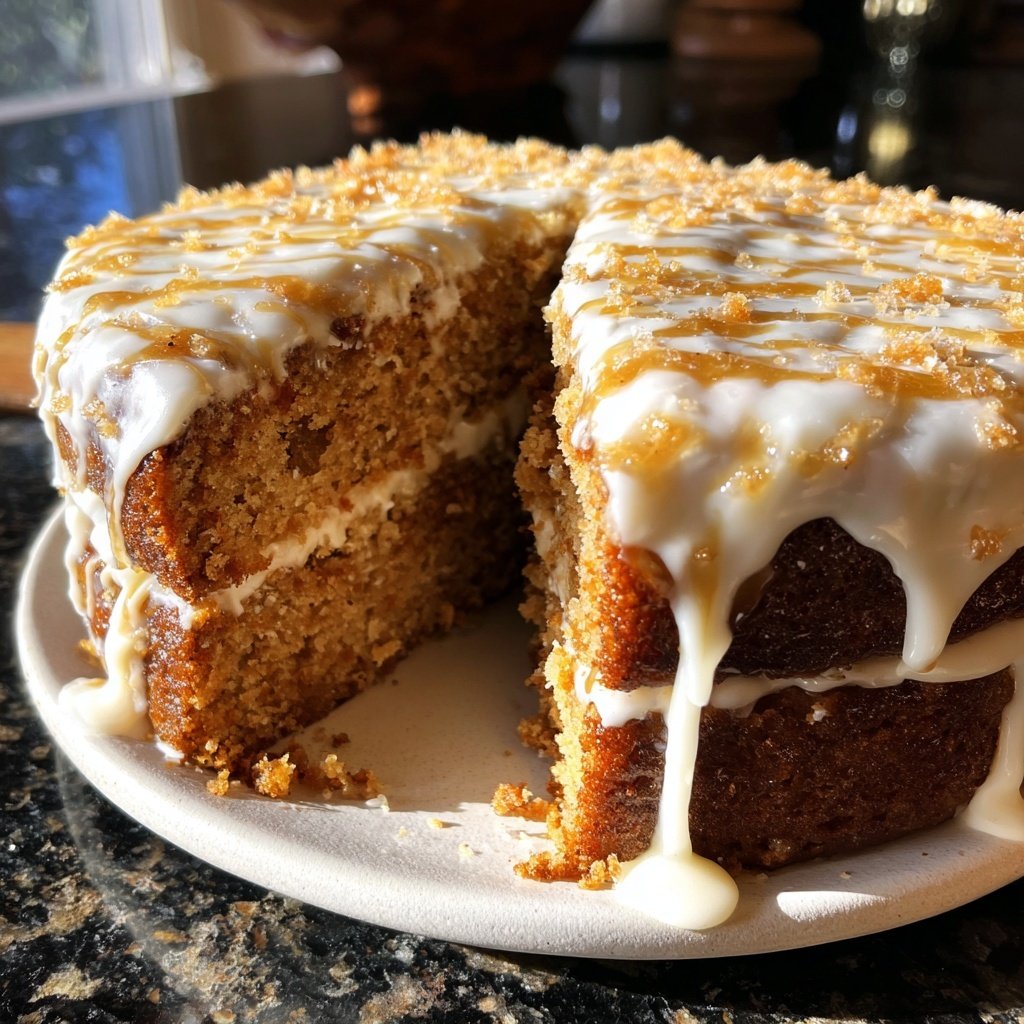
Feel free to top with your favorite frosting or fresh fruits!
Pro Tips
- For extra flavor, consider adding spices like cinnamon or nutmeg based on your preferences. Also, be sure to measure your ingredients accurately for the best results.
Variations and Customizations
This basic cake recipe is incredibly versatile, which allows for numerous variations. For a hint of citrus, you can add the zest of one lemon or orange to the batter, enhancing the flavor profile. Alternatively, for chocolate lovers, consider replacing a portion of the flour with cocoa powder. Use about 1/3 cup of cocoa to make a rich chocolate cake—just remember to adjust the sugar to balance the bitterness.
Incorporating add-ins such as chocolate chips, nuts, or dried fruit can elevate your cake further. Ideally, fold in one cup of your chosen add-in at the end of mixing. Be cautious not to overmix when adding these extras; a gentle fold helps to incorporate without deflating the batter, ensuring your cake remains light and airy. For a twist, try adding a layer of jam or fresh fruit between the cake layers for added flavor and texture.
Storage and Freezing
If you have leftover cake, store it in an airtight container at room temperature for up to three days. For longer storage, you can freeze the cake. Make sure it is completely cooled, then wrap it tightly in plastic wrap and aluminum foil to prevent freezer burn. It can be frozen for up to three months—just remember to label the date! I often slice the cake before freezing; it makes it easier to thaw only the pieces I need.
To thaw frozen cake, transfer it to the refrigerator for several hours or overnight. If you’re in a hurry, you can also let it sit at room temperature for a quicker option, which usually takes about 1-2 hours. Once thawed, feel free to frost or serve the cake as planned. A light dusting of powdered sugar or a simple glaze can rejuvenate a day-old cake beautifully!
Questions About Recipes
→ Can I substitute the sugar with a sugar alternative?
Yes, you can substitute with stevia or any other preferred sweetener, keeping in mind it may alter the final texture slightly.
→ How do I store leftover cake?
Store in an airtight container at room temperature for up to 3 days, or in the refrigerator for about a week.
→ Can I freeze the cake?
Absolutely! Wrap the cake well in plastic wrap and then aluminum foil before freezing for up to 3 months.
→ What is the best way to frost a cake?
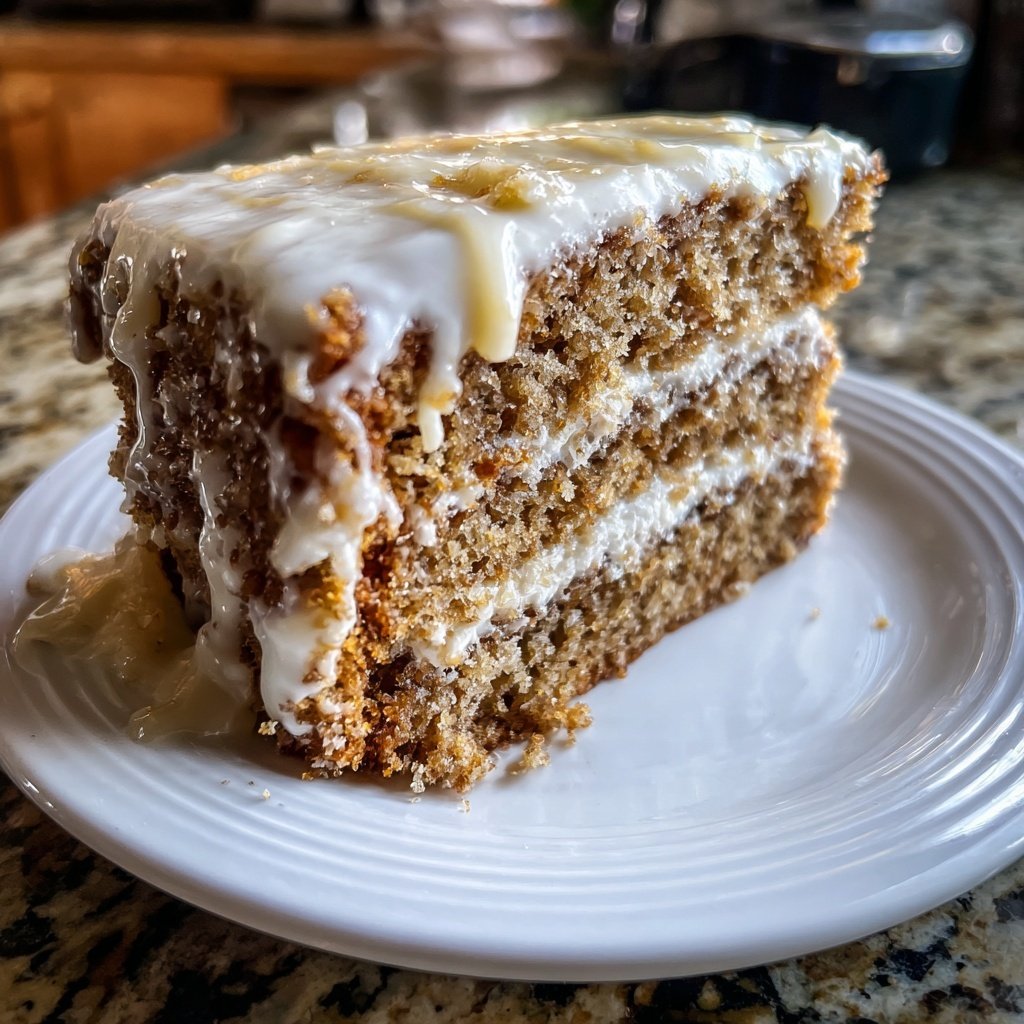
Allow the cake to cool completely, then use a serrated knife to level the tops before applying frosting for a smooth finish.
Cake Recipes With Pantry Staples
Created by: Tamsyn Calder
Recipe Type: Oven Inspiration
Skill Level: Easy
Final Quantity: 8 servings
What You'll Need
Basic Cake Ingredients
- 2 cups all-purpose flour
- 1 cup granulated sugar
- 1/2 cup unsalted butter, softened
- 1 cup milk
- 3 large eggs
- 2 tsp baking powder
- 1 tsp vanilla extract
- 1/2 tsp salt
How-To Steps
Preheat your oven to 350°F (175°C). Grease and flour two 9-inch round cake pans or line them with parchment paper.
In a mixing bowl, whisk together the flour, baking powder, and salt until well combined.
In another bowl, cream the softened butter and granulated sugar together until light and fluffy. This step adds air to your batter for a light cake.
Add eggs one at a time to the butter mixture, mixing well after each addition. Stir in the vanilla extract.
Gradually add the dry mixture to the wet ingredients, alternating with milk. Stir until just combined; do not overmix.
Divide the batter evenly between the prepared pans and bake for 25-30 minutes, or until a toothpick inserted in the center comes out clean.
Remove from the oven, allow to cool in the pans for 10 minutes, then transfer to a wire rack to cool completely before frosting.
Extra Tips
- For extra flavor, consider adding spices like cinnamon or nutmeg based on your preferences. Also, be sure to measure your ingredients accurately for the best results.
Nutritional Breakdown (Per Serving)
- Calories: 300 kcal
- Total Fat: 12g
- Saturated Fat: 7g
- Cholesterol: 60mg
- Sodium: 150mg
- Total Carbohydrates: 45g
- Dietary Fiber: 1g
- Sugars: 20g
- Protein: 4g