DIY Backyard Chicken Run Setup
Highlighted under: Global Inspiration
I never thought I could become a chicken owner until I decided to set up a backyard chicken run. The joy of having fresh eggs at my fingertips each morning motivated me to dive into this project. Creating a space for my feathered friends was easier than I expected, and I learned a lot about their needs and behaviors along the way. With a few simple materials and a bit of creativity, I transformed a corner of my yard into a safe and fun environment for my chickens to thrive in.
Setting up my backyard chicken run was an adventure filled with learning. I started by researching what components would make a safe and functional environment for my chickens. It took a bit of trial and error, but I discovered the importance of having ample space and proper ventilation.
Through experimentation, I found that incorporating natural elements, like shrubs and low perches, really enriched their habitat. Plus, I made sure to add secure fencing to keep them safe from potential predators. I can't wait to see how they thrive in their new home!
Why You'll Love This Setup
- Provides a safe, fun environment for chickens to roam and play
- Easy to customize based on your backyard layout and space
- Promotes healthier chickens and better egg production
Understanding Chicken Behavior
Chickens are naturally curious and social creatures, thriving best when they have space to explore and play. When setting up your run, consider adding features like perches, dust baths, and hiding spots. Not only do these enrich their environment, but they also encourage natural behaviors such as scratching and pecking. Observe your chickens to see what they enjoy the most; this will inform any future enhancements to their setup.
It's crucial to introduce your chickens to their new environment gradually. Initially, they may seem hesitant, so give them time to acclimate. Stand nearby and observe their reactions; if they seem skittish, you can spend a few moments inside the run to help them feel more at ease. This will build their confidence, making them more adventurous in exploring their surroundings.
Essential Safety Features
When constructing your chicken run, always prioritize safety. Using sturdy chicken wire or chain-link fencing is vital to protect your flock from predators. Make sure the bottom of your fence is buried at least a foot underground to prevent tunneling by animals. Additionally, regular inspections for wear and tear will ensure the integrity of your run, ultimately safeguarding your chickens.
Incorporating a roof is another essential feature. Not only does it protect against aerial predators like hawks, but it also shields your chickens from rain and harsh sun. If you don't have ready access to roofing materials, consider using a tarp to provide temporary protection until you can add a more permanent structure.
Nutritional Needs of Chickens
Setting up a chicken run is just the start; ensuring your chickens have proper nutrition is equally important. Introduce a balanced diet, including a mix of layer pellets and grains, complemented by fresh greens and kitchen scraps. This variety will keep them healthy and support optimal egg production. Make sure to provide clean, fresh water daily, as hydration is crucial.
If you're raising hen breeds known for high egg production, you might notice they require higher calcium intake. Supplementing their diet with crushed oyster shells or specific calcium-rich treats can enhance their overall health. Monitoring their overall behavior and egg quality can help you adjust their feed for better outcomes.
Instructions
Follow these steps to create your own backyard chicken run setup.
Choose the Location
Select a flat area in your backyard that receives plenty of sunlight and has good drainage. Ensure it's away from any potential hazards.
Plan the Size
Determine how many chickens you plan to keep. Each chicken needs about 10 square feet of space in the run.
Gather Materials
You'll need chicken wire or chain-link fencing, wood for the frame, and basic tools. Consider adding roofing for extra protection.
Build the Frame
Construct a rectangular frame using your wood. Make sure it's sturdy and secure. Attach the fencing material tightly around the frame.
Add Doors and Ventilation
Create a door for easy access and ensure proper ventilation to keep the area comfortable for your chickens.
Introduce the Chickens
Once your run is complete, let your chickens explore their new space. Monitor them initially to ensure they’re comfortable.
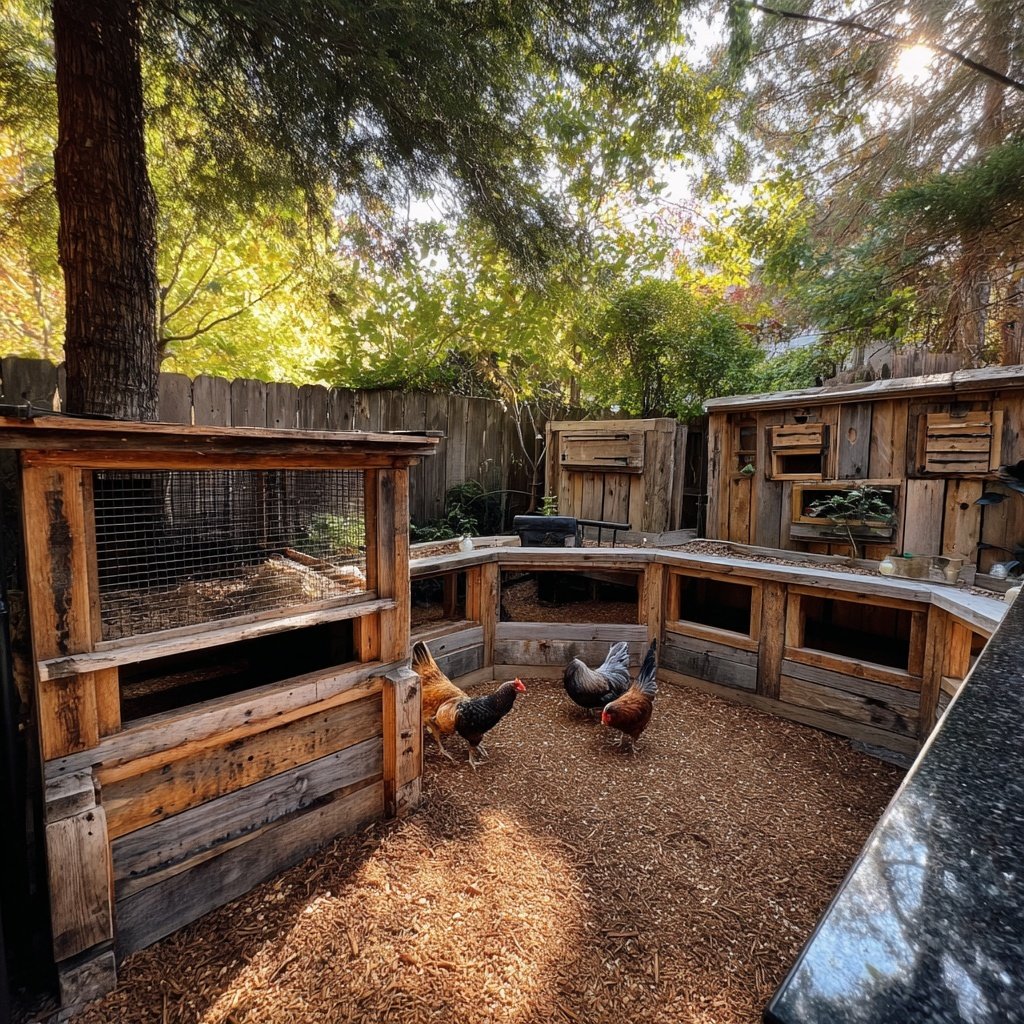
Pro Tips
- Adding natural shade, such as bushes, can keep your chickens cool during hot days. Also, consider providing some dust baths for their comfort and hygiene.
Maintenance Tips
Regular maintenance of your chicken run is key to a healthy environment. Clean the run weekly to prevent build-up of waste, which can lead to diseases. Use a rake to remove droppings, and consider replacing bedding materials every few months to keep their space comfortable. A clean environment not only keeps your chickens happy but also fosters better egg production.
During the colder months, ensure your chickens have a warm place to retreat. Adding insulation to their coop or using heat lamps can help them stay comfortable. Observing them closely will give you cues about their comfort levels and allow you to make necessary adjustments, such as extra bedding or heat sources.
Expanding Your Setup
As you get more comfortable in your chicken-keeping journey, you might want to consider expanding your setup. This could mean adding more chickens, creating a larger run, or incorporating new design features. If you bring in new chickens, it’s essential to introduce them slowly to avoid stress and potential pecking order issues.
You can also enhance the run with natural elements. Planting bushes or flowers around the perimeter can provide additional shelter and enjoyment for your chickens. Herbs like rosemary and sage can deter pests and provide your chickens with edible treats, encouraging a more natural and enjoyable environment.
Questions About Recipes
→ How much space do chickens need in a run?
Each chicken needs at least 10 square feet of space to roam freely.
→ What materials are best for building a chicken run?
Chicken wire, wood, and metal fencing are great choices. Ensure they are durable and weather-resistant.
→ Can I have a chicken run without a coop?
A coop is essential for providing shelter and a safe resting space for your chickens.
→ How do I protect my chickens from predators?
Use strong fencing and consider a roof on the run to deter aerial predators. Regularly check for any weaknesses.
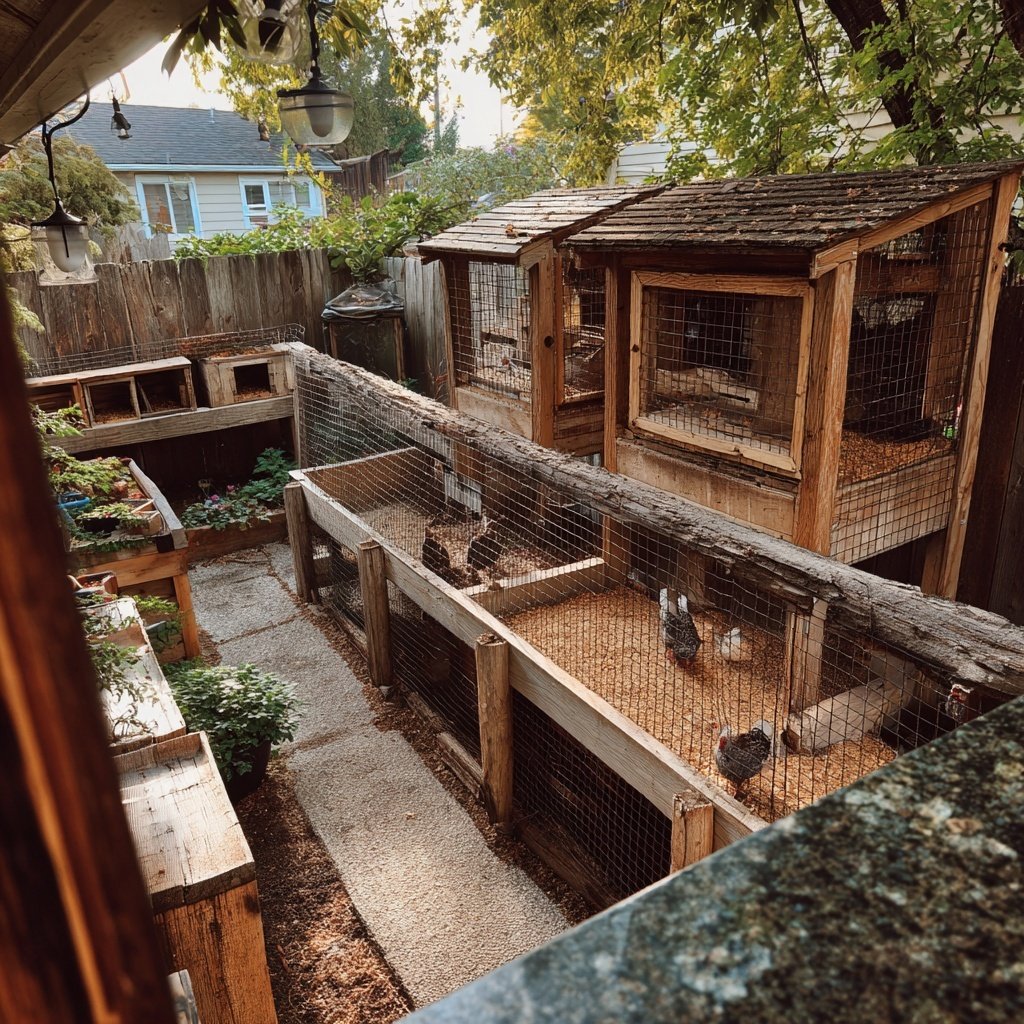
DIY Backyard Chicken Run Setup
How-To Steps
Select a flat area in your backyard that receives plenty of sunlight and has good drainage. Ensure it's away from any potential hazards.
Determine how many chickens you plan to keep. Each chicken needs about 10 square feet of space in the run.
You'll need chicken wire or chain-link fencing, wood for the frame, and basic tools. Consider adding roofing for extra protection.
Construct a rectangular frame using your wood. Make sure it's sturdy and secure. Attach the fencing material tightly around the frame.
Create a door for easy access and ensure proper ventilation to keep the area comfortable for your chickens.
Once your run is complete, let your chickens explore their new space. Monitor them initially to ensure they’re comfortable.
Extra Tips
- Adding natural shade, such as bushes, can keep your chickens cool during hot days. Also, consider providing some dust baths for their comfort and hygiene.